Okay, quick truth: logging into an exchange is one of those tiny, high-stakes rituals. Wow! You do it every day, but one slip — a mistyped passphrase, a lost device — and suddenly you’re in panic mode. My instinct said this would be simple. But then I ran into a 2FA hiccup, and—ugh—my whole afternoon changed. Seriously, been there.
So here’s the practical rundown. First impressions matter: the OKX interface looks clean, but that cleanliness hides a few gotchas. On one hand, the signup and verification flow is straightforward. On the other hand, things like device authorization, IP changes, and security settings can trip you up if you’re not ready. I’m biased toward security-first setups, though I know most traders just want to trade fast. Hmm… balance, right?
Start with the basics: email, a strong password, and two-factor authentication. Use a password manager. Use hardware keys if you can. My gut feeling — and experience — say that those extra two minutes save hours later. Something felt off about relying solely on SMS 2FA; SMS is better than nothing, but actually wait—let me rephrase that: SMS is vulnerable to SIM swap attacks, so prefer an authenticator app or a hardware token.
Okay, so check this out—if you need to access your account right away from a new device, expect some friction. The platform may require device verification or additional identity confirmation, and sometimes the delays are simply waiting for an email link or those verification windows to expire. Patience, not panic. (oh, and by the way… keep an alternate email or recovery method.)
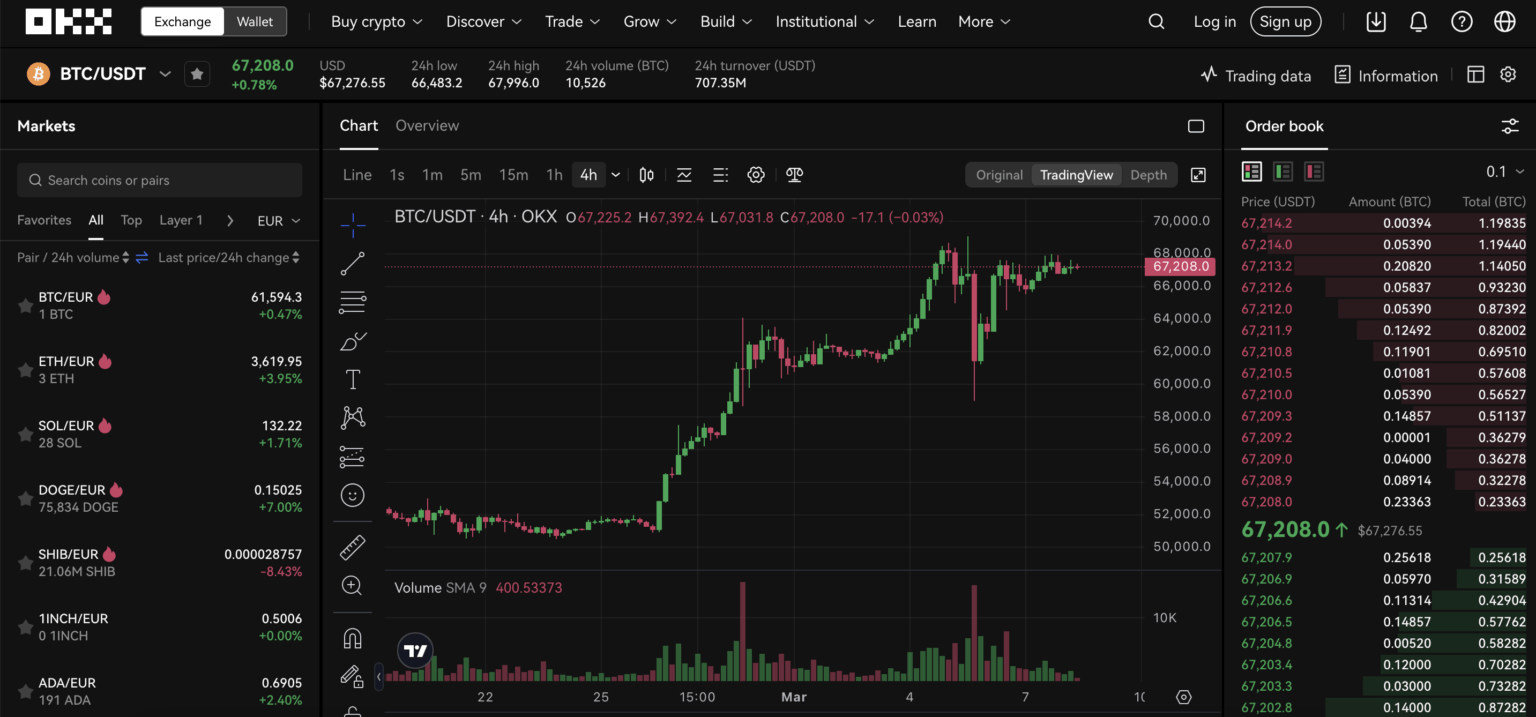
Step-by-step: Logging In and Troubleshooting
First: head to the official login path. If you want a quick link to the OKX login page, use this one for convenience: okx sign in. Shortcuts are fine, but verify the URL. Phishers love fake pages. Really? Yes.
When you reach the sign-in screen, enter your email or phone and password. If you’ve set up 2FA, you’ll be prompted next. Most folks use Google Authenticator or Authy. Hardware keys like a YubiKey are the gold standard—very very important if you hold substantial funds. Initially I thought the extra setup was overkill, but then a weird login attempt showed up in my history and that hardware key became my hero.
If 2FA fails: pause. Don’t keep smashing keys. On one hand, repeated failed attempts can lock the account; on the other hand, they might flag it for review which slows recovery. So step back and use recovery options. OKX provides account recovery flows, though they can be lengthy because they need to confirm identity—photos of ID, selfies, and timestamps. Make sure your uploaded ID is clear and matches your profile exactly.
Another common snag: device verification emails that land in spam or promotions. Check every folder. Also, consider whitelisting OKX emails in your provider settings. My inbox gets messy, and one time an authorization email hid behind eight other promos—learn from me, check Spam.
Security Settings Worth Your Time
Here’s what I change the second an account is active: enable API restrictions if you use bots, set withdrawal whitelist addresses, lock down email notifications, and enable anti-phishing codes if available. Those small things add layers. My trading style is aggressive, but when it comes to withdrawals, I like a brick wall.
Withdraw whitelists: they’re a little inconvenient at first because you must add addresses and sometimes wait for confirmation periods, but they stop an attacker from draining funds quickly. Seriously, set them up.
Session management: check your active sessions and revoke any you don’t recognize. Accounts can stay logged in on old devices. On one hand, leaving a session active is convenient; though actually, it’s risky—especially if you lend someone your old phone to play a game or whatever. Remove old sessions.
For institutional traders or anyone with large balances: separate accounts for spot, margin, and derivatives can isolate risk. Also, think about cold storage. Keep only what you trade actively on the exchange. I’m not 100% fan of keeping everything hot. Cold wallets feel more peaceful.
Common Problems and Practical Fixes
Problem: I didn’t receive 2FA codes. Quick checks: phone time must be in sync with network time (auth apps rely on it). Re-sync your authenticator or restore from backup codes. If you don’t have backups—yeah, not great—start account recovery immediately.
Problem: IP lockouts and geographic verification. Traveling? Notify support or set up a travel plan. Some exchanges tighten checks when you log in from different regions. On one trip I forgot to notify anything, and OKX sent me a verification request that took a day to clear—lost trading time. Learn from that, travel smarter.
Problem: Forgotten password. Use the password reset, but be ready to answer KYC/security questions. And, save those recovery emails—don’t delete them forever because they can help if support needs to cross-check.
FAQ
What do I do if I lose access to my 2FA device?
Start account recovery with OKX right away. You’ll likely need to provide ID, recent transaction history, and possibly video verification. If you used backup codes at setup, redeem those first. If not, the recovery process is slower but doable—plan for days, sometimes longer.
Is SMS 2FA safe enough?
SMS is better than nothing, but it’s susceptible to SIM swap attacks. Use an authenticator app or hardware key for stronger protection. If you must use SMS, pair it with other protections like withdrawal whitelists and device confirmations.
How can I speed up support responses?
Provide clear, concise evidence: screenshots, timestamps, and transaction IDs. Be polite. Attach requested documents in the exact format they ask. Live chat sometimes helps, though documented tickets are essential for recovery trails.
To wrap up—well, not a neat tie-off, but a clearer place to stand—logging into OKX is mostly smooth if you prepare. My approach: secure defaults, periodic audits, and conservative exposure. That’s how I sleep better. There’s always some risk, and that part bugs me, but with the right steps you cut most of the hair-raising moments out.